
Product Categorys
3D printing
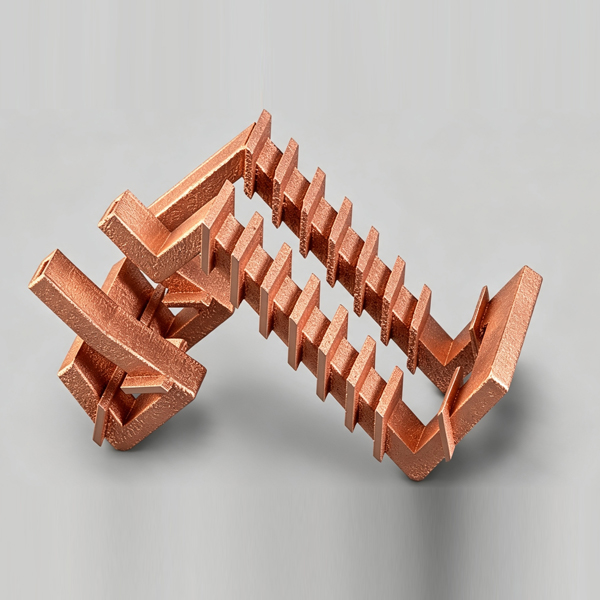
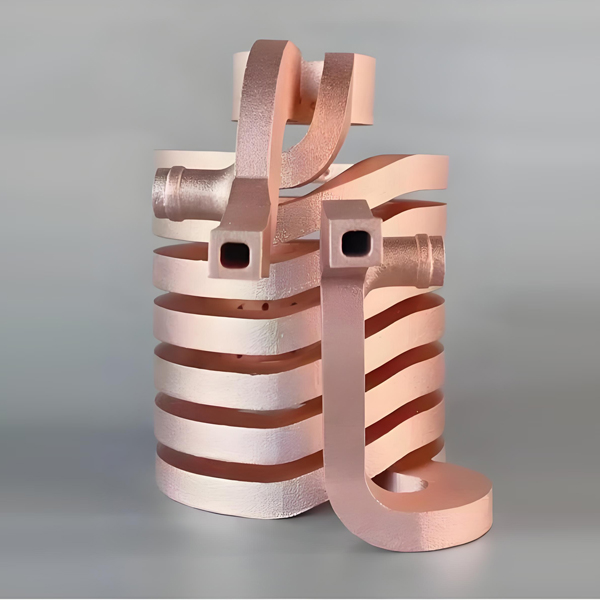
Contact UsMetal 3D Printing, also known as Metal Additive Manufacturing, is a revolutionary technology that builds functional, high-performance metal parts layer by layer directly from a 3D digital model. Unlike traditional subtractive methods that carve parts out of solid blocks, this process adds material only where it is needed. It unlocks unprecedented design freedom, allowing engineers to create complex, lightweight, and highly customized components that were previously impossible or prohibitively expensive to manufacture.
️ How Metal 3D Printing Works
The most common industrial method is Selective Laser Melting (SLM), which follows a precise, automated sequence:
1. Design & Preparation: An engineer creates a 3D CAD model, which is then sliced into ultra-thin digital layers by specialized software.
2. Powder Spreading: A thin layer of fine metal powder (typically 15-53µm) is evenly spread across a build platform inside a sealed, oxygen-controlled chamber.
3. Laser Melting: A high-powered laser selectively scans the cross-section of the part, melting and fusing the metal powder particles together to form a solid layer.
4. Layer-by-Layer Build: The build platform lowers by a single layer thickness, a new layer of powder is applied, and the process repeats until the entire part is complete.
5. Post-Processing: The finished part is removed from the powder bed, cleaned, and undergoes necessary post-processing such as heat treatment (to relieve internal stresses), support removal, and surface finishing (like sandblasting or CNC machining) to meet final specifications.
Key Advantages
Metal 3D printing is transforming modern manufacturing by offering distinct benefits that traditional methods cannot match:
· Unmatched Design Freedom: It allows for the creation of highly complex geometries, internal channels (like conformal cooling channels in molds), and organic, lattice structures that optimize strength while minimizing weight.
· Rapid Prototyping & Iteration: Designers can quickly turn digital concepts into functional metal prototypes in a matter of days, significantly accelerating the product development cycle and reducing time-to-market.
· Part Consolidation: Multiple individual components that would normally be assembled can be redesigned and printed as a single, integrated part. This reduces assembly time, minimizes potential failure points, and improves overall reliability.
· Mass Customization: It is highly cost-effective for producing customized, one-off parts, such as patient-specific medical implants or bespoke aerospace components, without the need for expensive tooling.
· High Material Utilization: Because it is an additive process, it generates very little waste. Unused metal powder can typically be sieved and recycled for future prints, making it a highly efficient manufacturing method.
Common Applications & Industries
The ability to produce strong, lightweight, and complex parts has made metal 3D printing a critical technology across several high-tech sectors:
· Aerospace: Manufacturing lightweight structural brackets, optimized engine components (like fuel nozzles and turbine blades), and satellite parts that improve fuel efficiency and performance.
· Medical Devices: Creating patient-specific implants (such as titanium hip joints and dental crowns) and custom surgical guides that perfectly match a patient's anatomy.
· Automotive: Producing lightweight parts for high-performance and electric vehicles, such as battery brackets and engine components, to improve speed and range.
· Industrial Tooling: Fabricating injection molds with complex internal conformal cooling channels, which drastically reduce cooling times and improve the quality of molded plastic parts.
· Consumer Electronics: Rapidly prototyping and producing small-batch, intricate metal components for smartphones, wearables, and other high-end electronics.
️ Core Technologies & Materials
A comprehensive metal 3D printing service typically offers various technologies and a wide range of materials to suit different needs:
· Core Technologies:
o SLM (Selective Laser Melting): The industry standard for producing fully dense, high-strength functional metal parts.
o BJ (Binder Jetting): A faster, more cost-effective process for high-volume production of metal parts, though it often requires secondary sintering.
· Common Materials:
o Stainless Steels: (e.g., 316L) For general-purpose applications requiring good strength and corrosion resistance.
o Titanium Alloys: (e.g., Ti6Al4V) Ideal for aerospace and medical applications due to their exceptional strength-to-weight ratio and biocompatibility.
o Aluminum Alloys: (e.g., AlSi10Mg) Used for lightweight parts in automotive and aerospace industries.
o Tool Steels & Nickel Alloys: For applications demanding high hardness, wear resistance, and the ability to withstand extreme temperatures.
In summary, Metal 3D Printing is a powerful and versatile manufacturing technology that bridges the gap between rapid prototyping and end-use production. By enabling the creation of complex, high-performance metal parts with exceptional efficiency, it is driving innovation and pushing the boundaries of what is possible in modern engineering.