Sheet Metal Services encompass a broad range of fabrication processes used to transform flat sheets of metal into complex, functional structures. Unlike metal stamping, which relies on heavy presses and specialized dies for high-volume, identical parts, sheet metal fabrication is highly versatile. It combines various techniques—such as cutting, bending, and assembling—to create custom enclosures, chassis, brackets, and large structural components, making it ideal for both prototyping and medium-to-low volume production.
⚙️ How Sheet Metal Fabrication Works
The sheet metal process is highly adaptable and typically involves a sequence of the following steps:
1. Design & Programming: Engineers create a 3D CAD model of the part. This design is then converted into instructions for the cutting and bending machines (such as DXF/DWG files for laser cutters or programs for CNC press brakes).
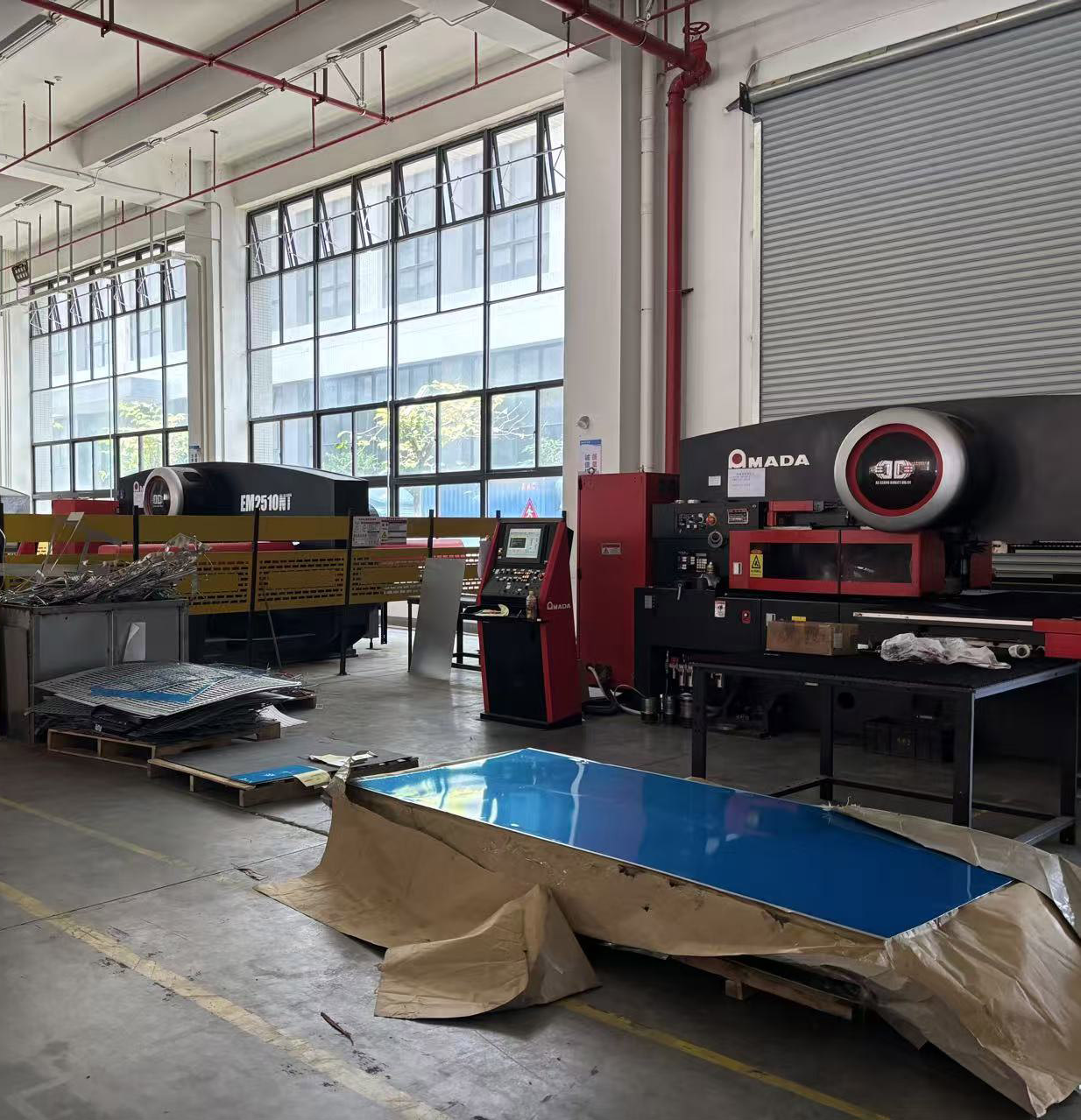
2. Cutting: The flat sheet metal is cut into the desired 2D profile. This can be done using highly precise laser cutters, plasma cutters, waterjets, or traditional turret punches.
3. Bending & Forming: The cut flat pieces are then fed into a CNC press brake, which uses specialized punches and dies to bend the metal at precise angles, transforming the 2D flat pattern into a 3D shape.
4. Assembly & Joining: Multiple bent pieces are joined together to form the final product. This is typically achieved through welding (TIG, MIG, or spot welding), riveting, or using hardware inserts (like PEM nuts and studs).
5. Finishing: The final part undergoes surface treatments to improve aesthetics, durability, or corrosion resistance. Common finishes include powder coating, anodizing, plating, or silk screening.
✨ Key Advantages
Sheet metal fabrication is a cornerstone of modern manufacturing due to its flexibility and structural benefits:
· High Versatility: It is perfect for creating large, complex, and custom parts. Unlike stamping, it doesn't require expensive, time-consuming custom dies, making it highly cost-effective for prototyping and low-to-medium production runs.
· Excellent Strength-to-Weight Ratio: Sheet metal parts are inherently lightweight yet incredibly strong and durable, making them ideal for structural applications.
· Rapid Turnaround: Because the process relies on digital programming rather than hard tooling, design changes can be made quickly, allowing for fast prototyping and shorter lead times.
· Material Variety: It works with a wide array of metals, including steel (mild and stainless), aluminum, copper, brass, and galvanized steel.
· Scalability: While great for one-offs, the process scales smoothly into mass production using automated laser cutting and robotic bending/welding cells.
Common Applications & Industries
The ability to create robust, custom enclosures and structures makes sheet metal services vital across many sectors:
· Telecommunications & Electronics: Manufacturing server racks, network cabinets, control boxes, and custom electronic enclosures.
· Medical Equipment: Creating durable, hygienic, and precise housings for MRI machines, surgical carts, and diagnostic equipment.
· Industrial Machinery: Producing heavy-duty machine guards, structural frames, control panels, and conveyor components.
· Automotive & Transportation: Fabricating custom chassis parts, truck bodies, trailers, and specialized vehicle enclosures.
· Architecture & Construction: Forming decorative metal facades, HVAC ductwork, custom roofing, and structural beams.
Core Processes in Sheet Metal Services
A full-service sheet metal shop will typically offer a combination of these core capabilities:
· Laser Cutting: Uses a high-powered laser to melt and vaporize metal, offering extreme precision, clean edges, and the ability to cut complex geometries without the need for physical tooling.
· CNC Press Braking: Utilizes computer-controlled rams to bend sheet metal with high accuracy and repeatability.
· Welding: Fuses metal pieces together. TIG welding is used for high-precision, clean welds (often on aluminum or stainless steel), while MIG welding is faster and used for thicker materials.
· Hardware Insertion: Pressing self-clinching nuts, studs, or standoffs into the sheet metal to provide strong, permanent threaded mounting points.
In summary, Sheet Metal Services provide a highly flexible, strong, and cost-effective solution for creating custom metal structures and enclosures. It bridges the gap between rapid prototyping and scalable manufacturing without the high upfront tooling costs associated with stamping.